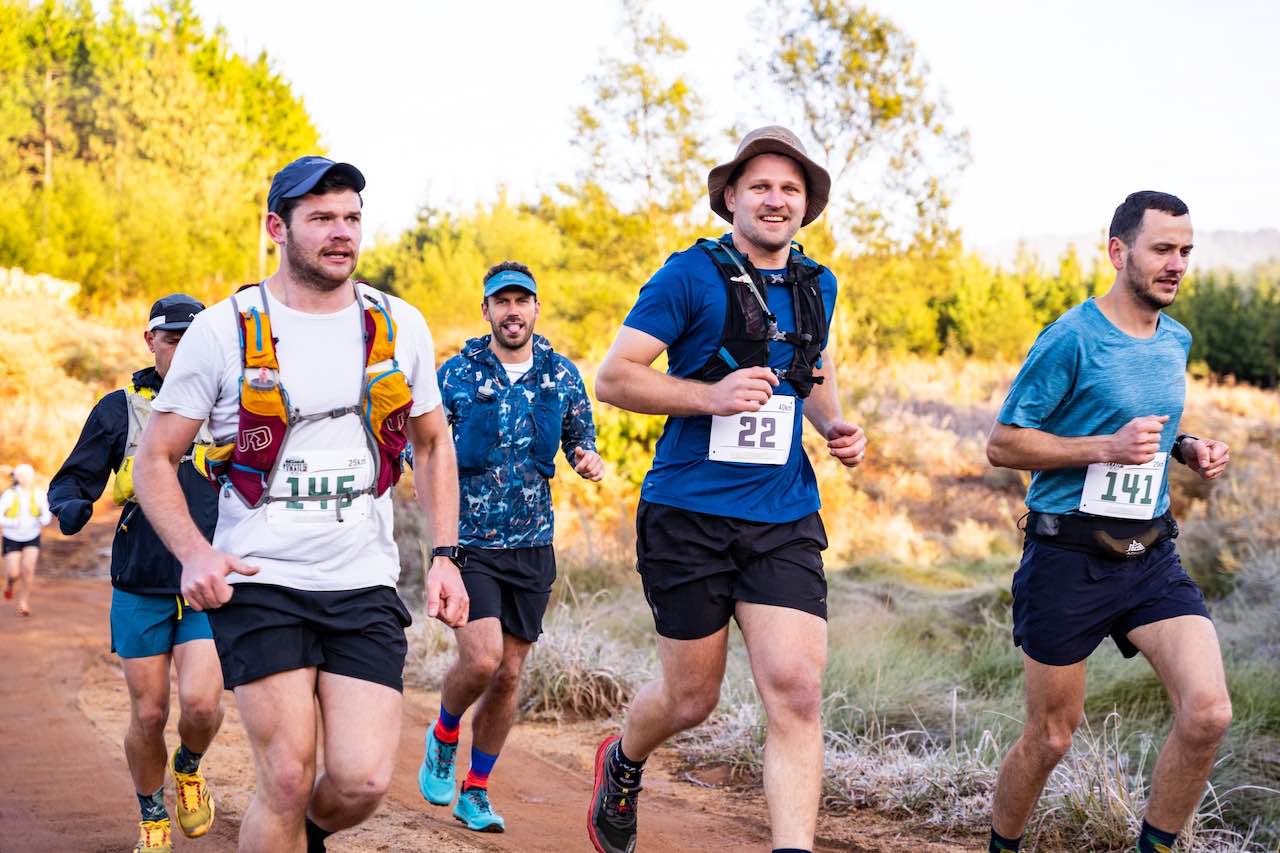
Race Day: Inside the Runner’s Mind. The Small Decisions That Matter Most
18 April 2026 | Rudolph Van Rensburg
Race day is rarely won by one big moment. More often, it is shaped by small decisions that either help the day flow or slowly make it harder than it needs to be.
The hard work is already done. Training built the fitness. Race day is about using it well.
The runners who often perform best are not always the most talented. They are usually the ones who stay calm, stay prepared, and manage the details.
Why Small Things Matter
A race can come undone through simple mistakes. Shoes that rub, missed fuel, poor pacing, panic at water tables, or a rushed morning can all chip away at performance.
None of these problems seem huge on their own, but together they matter.
That is the good news too. Small details can also work in your favour.
01.
–
Use Vaseline if You Are Prone to Blisters
If your toes rub, do not ignore it. A little Vaseline between the toes or on known hot spots can reduce friction and help prevent blisters over longer distances.
02.
–
Sort Your Feet Before the Race
Trim your toenails a few days before the race, not the night before. Check your socks and any places where your shoes normally rub. Feet are often where small problems become big ones.
03.
–
Use Gear You Trust
Race day is not the day to test new shoes, socks, belts, or nutrition. Stick with what you know works well for you.
04.
–
Wear a Sweatband if It Helps
If you sweat heavily, a sweatband can keep sweat out of your eyes and make it easier to handle gels, your phone, or your watch.
05.
–
Keep Your Gels Easy to Reach
Do not bury your fuel in a pocket that is hard to access. If it is difficult to reach, you are less likely to take it on time.
06.
–
Fuel by Plan, Not by Mood
Take nutrition because it is time, not because you suddenly feel low on energy. Waiting too long can be costly.
07.
–
Match Gels to Water Points
Know where you plan to take each gel and use water points to help wash them down. It is simpler and often easier on the stomach.
08.
–
Know What Your Body Needs
During a race your mind may tell you to skip fuel, push harder, or chase someone else. Your body usually needs rhythm, patience, and steady energy.
09.
–
Set Your Watch to Show Effort
Pace is useful, but effort matters too. Heart rate, lap pace, or perceived effort can give a better picture, especially on hills or hot days.
10.
–
Use Lap Data to Stay Calm
Instant pace can jump around and cause unnecessary stress. Lap pace or lap heart rate often gives a steadier view of how you are really doing.
11.
–
Know Where the Climbs Are
You do not need to study every metre of the course, but know where the harder sections are so you can pace wisely.
12.
–
Learn the Aid Stations Before the Start
Know where the water tables are and where you want to take fuel. Planning ahead removes stress during the race.
13.
–
Slow Slightly at Busy Water Tables
Trying to sprint through a crowded station often creates more problems than it solves. A small check in pace can lead to a cleaner grab and quicker exit.
14.
–
Arrive Earlier Than You Think
A rushed morning wastes energy. Arriving early gives you time for parking, toilets, warm up, and settling into the day.
15.
–
Carry Tissues
Simple and useful. If toilets run out of paper or you need them during the race, you will be glad you packed them.
16.
–
Plan for Your Sweat Rate
If you sweat heavily or lose a lot of salt, race day hydration should reflect that. Use a plan based on your body, not the average runner.
17.
–
Keep Your Hands Free
The less you have to carry and adjust, the better. Simplicity makes drinking, fueling, and moving easier.
18.
–
Test Your Bib Setup
Pin your bib properly and test it beforehand. A loose or badly placed bib can become annoying for hours.
19.
–
Have a Reset Routine
If things start going wrong, do not panic. Slow down briefly, breathe, sip water, relax your shoulders, and restart.
20.
–
Make Race Morning Feel Familiar
Use the breakfast timing, coffee routine, warm up, and kit flow that has worked for you before. Familiar routines help you feel calm and ready..