FOOT STRESS FRACTURE

A sharp, localised pain in the foot that worsens with impact and may feel sore even when walking.

AT A GLANCE

Pain Area

A specific spot on the top or side of the foot, often over a metatarsal bone

Medical Name

Metatarsal Stress Fracture

Can you Run?

No, running usually needs to stop until the bone has settled

Typical Recovery

Usually 6 to 12 weeks, sometimes longer depending on severity

Common Onset

Often linked to increased running load, impact, or repetitive stress without enough recovery


Can I keep running?

Running is usually not appropriate with a foot stress fracture.

If the foot is painful with walking, standing, or hopping, continuing to run will likely delay healing and increase the risk of worsening the injury.


Typical recovery timeline

Foot stress fractures typically require 6 to 12 weeks or more of reduced impact to settle properly.

Some cases recover closer to the shorter end, while more severe or delayed cases may take longer and require a gradual return to loading.


COMMON SYMPTOMS

  • Pain in one specific spot on the foot
  • Pain that worsens with:
    • running
    • walking
    • standing
    • hopping
  • Pain that becomes sharper over time
  • Tenderness when pressing on one exact area
  • Swelling over the affected part of the foot
  • Pain that does not improve during a run and may persist afterwards
stress fracture

WHAT’S ACTUALLY GOING ON?

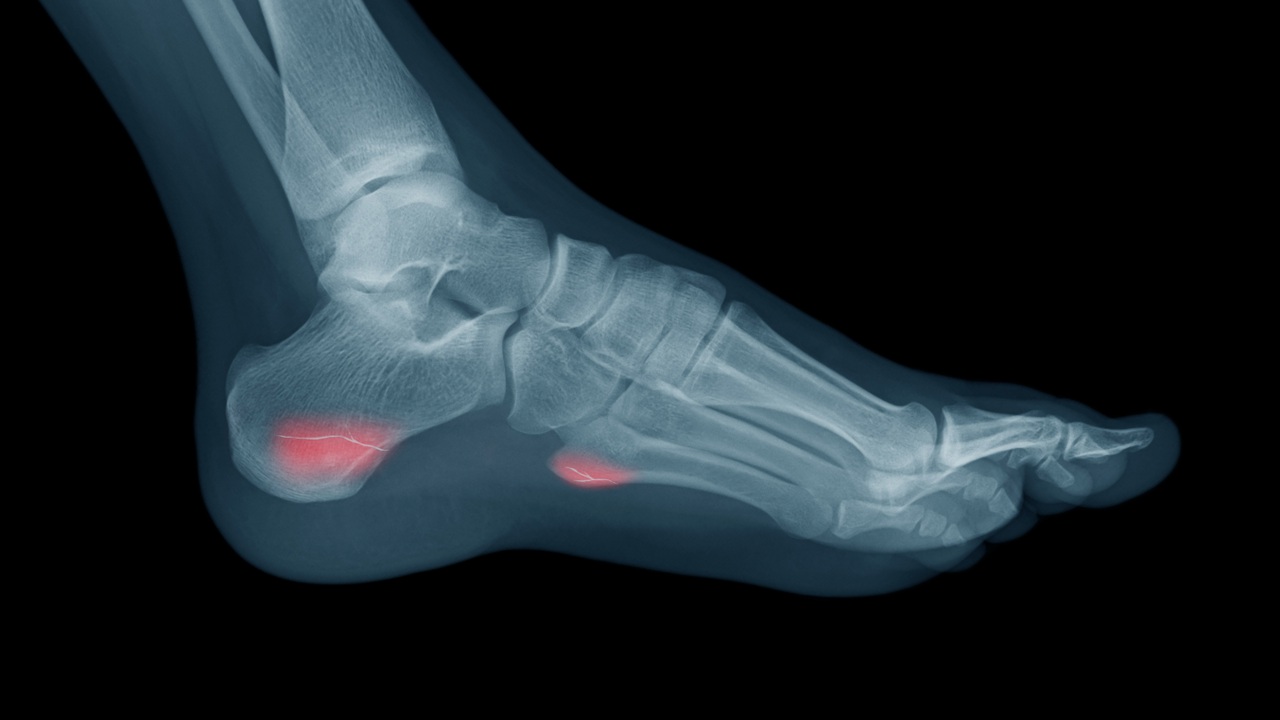
A foot stress fracture is a bone stress injury where one of the metatarsal bones is no longer coping with repeated loading.

Instead of adapting to training, the bone begins to break down faster than it can rebuild.

This usually develops over time when the foot is exposed to more impact and repetition than it is ready for.

CAN YOU STILL RUN WITH IT?

No, if this is a true bone stress injury, running is not the right tool at this stage. Pain with walking, hopping, or standing usually means the bone needs protection from further impact. Trying to run through it often delays recovery and increases the risk of a more serious injury.

COMMON QUESTIONS

This may sound familiar if:

  • You can point to one exact painful spot on your foot
  • The pain feels sharp and localised
  • It hurts with impact, hopping, or even walking
  • The pain does not warm up or ease during a run
  • The area feels tender to press on
  • The pain has gradually become more constant or noticeable


A key clue is that this feels like a very specific, localised pain rather than a general soreness.

This usually happens when load exceeds the bone’s ability to adapt.

Common reasons include:

  • a rapid increase in:
    • running volume
    • intensity
    • frequency
  • repetitive impact without enough recovery
  • continuing to run through early warning pain
  • changes in training surface or footwear
  • reduced strength or load tolerance in the foot and lower leg

Often this develops gradually, especially if early symptoms are ignored.

It’s worth getting help if:

  • you have pain in one specific spot on the foot
  • it hurts with hopping or walking
  • symptoms are getting worse instead of better
  • you suspect it may be more than general foot soreness

Get help sooner if you have:

  • pain at rest or at night
  • increasing swelling
  • worsening pain despite reducing running
  • difficulty weight-bearing
  • a clearly localised, sharp pain that is not improving

Bone stress injuries in the foot should be taken seriously, early management makes a big difference to recovery.

HOW TO TREAT FOOT STRESS FRACTURE

Have a look at Liesel's rehab plan to help improve your injury.

noT SURE IF IT'S FOOT STRESS FRACTURE?

Get a clear plan and find out what’s really causing your pain, so you can stop guessing and start moving forward.

Where are you feeling pain?