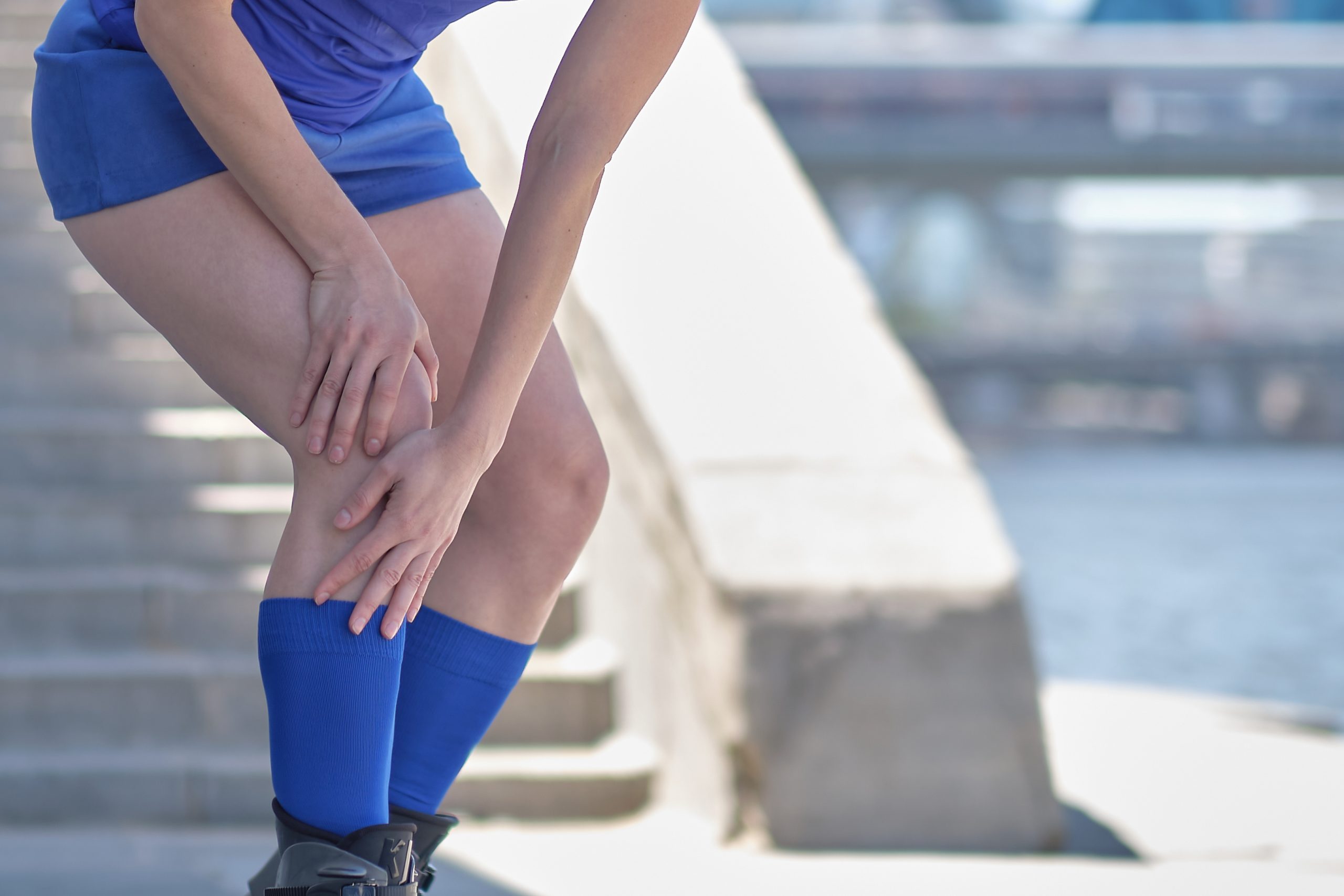
Deep knee pain with catching, clicking, or stiffness, often worse with twisting, bending, or loading the knee.
Some runners can continue a small amount of easy running if the knee is not locking, giving way, or becoming more swollen afterwards. But if running causes sharp joint pain, catching, or a sense that the knee is not moving properly, it usually needs a clearer reduction in load.
If twisting, stairs, or even walking are becoming more uncomfortable, you should not try to “push through” it.
Recovery can vary a lot depending on the severity, irritability, and whether symptoms are mechanical.
Some runners settle within a few weeks with the right load management and rehab. Others, especially if the knee is repeatedly catching, swelling, or locking, may need a much longer process and professional assessment.
A good rule: if the knee is not improving steadily, it needs a closer look.
The meniscus is a piece of cartilage inside the knee that helps with shock absorption, stability, and load distribution.
In runners, meniscus irritation is not always a dramatic “tear” from one big moment. Sometimes it behaves more like an irritated structure inside the knee that has become sensitive to twisting, compression, or repeated loading.
This means the knee may feel sore, stiff, or mechanically “off”, especially when the joint is irritated enough to stop moving smoothly.
Weekly mileage
Speed work
Hills
Long Runs
Running Frequency
This may sound familiar if:
A common clue is that this type of knee pain often feels more inside the joint than on the surface.
Meniscus irritation can happen for a few different reasons.
Common reasons include:
Sometimes this starts with one awkward moment. Other times, it builds gradually when the knee is no longer tolerating load well.

It’s worth getting help if:
Get help sooner if you have: