
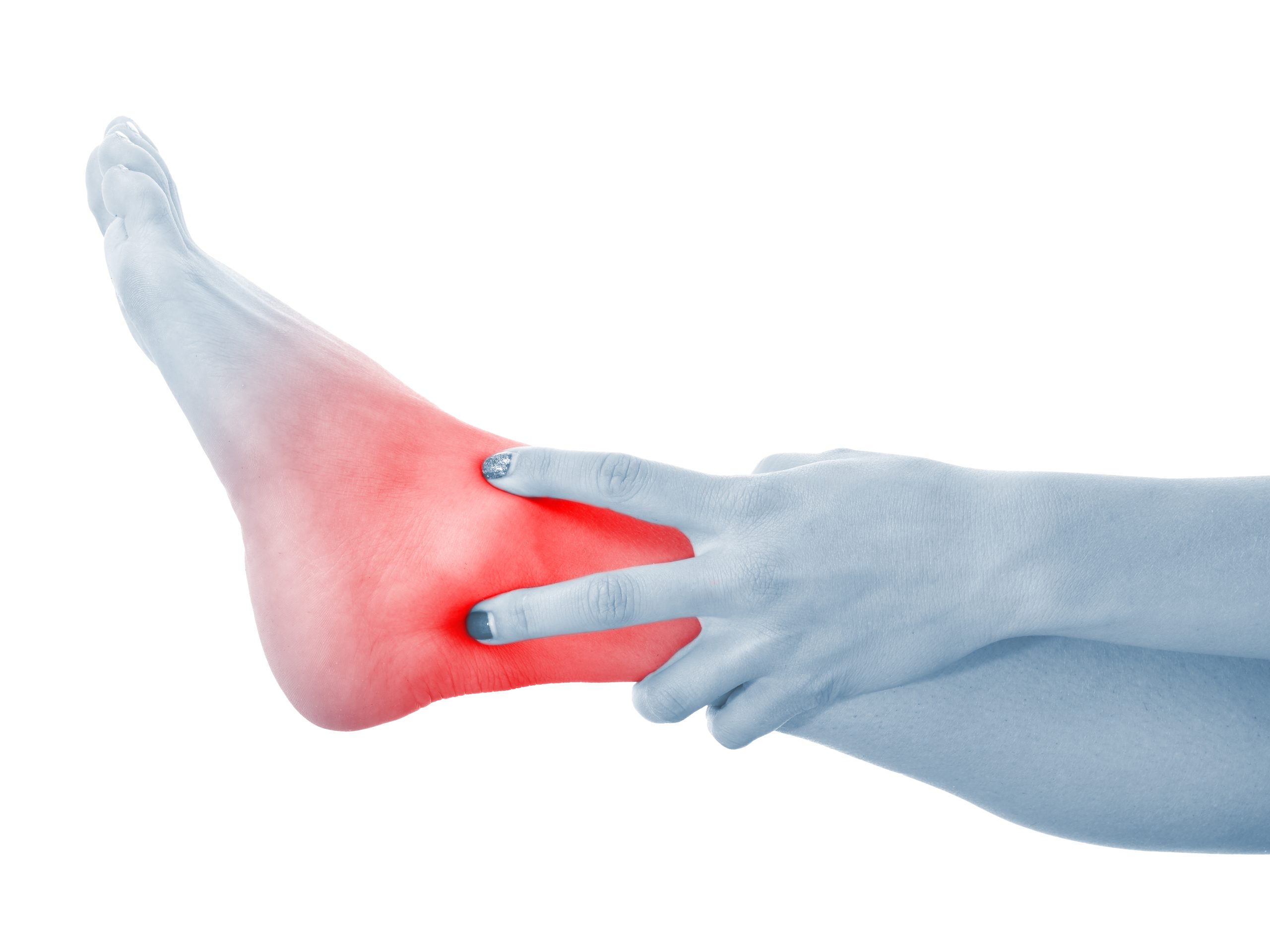

OUTER Ankle Tendon Pain

Pain or irritation along the outside of the ankle, often worse with running, uneven ground, or repeated ankle loading.

AT A GLANCE

Pain Area

Outside of the ankle, often behind or below the ankle bone

Medical Name

Peroneal Tendinopathy

Can you Run?

Sometimes, if symptoms stay mild and the ankle remains stable

Typical Recovery

Usually 4 to 10 weeks, depending on irritation levels and tendon strength

Common Onset

Often linked to ankle instability, trail running, hills, or increased running load


Can I keep running?

Some runners can continue modified running if symptoms stay manageable and the ankle is not becoming more reactive afterwards.

If the tendon becomes sharper, more swollen, or the ankle starts feeling unstable, it usually means the load is still too high.


Typical recovery timeline

Milder cases often improve within 4 to 6 weeks, while more stubborn tendon irritation may take several months to fully settle and rebuild.

Like many tendon injuries, symptoms can improve before the tendon is fully ready for harder running again.


COMMON SYMPTOMS

  • Pain on the outside of the ankle
  • Tenderness behind the outer ankle bone
  • Pain with:
    • running
    • uneven ground
    • hills
    • side-to-side movement
  • Tightness or aching after activity
  • A feeling of weakness or instability through the ankle
  • Sometimes mild swelling around the tendon area
cramps-in-woman-feet-female-stretching-feet-2026-03-26-04-46-22-utc

WHAT’S ACTUALLY GOING ON?

Peroneal Tendinopathy is irritation of the peroneal tendons, which run along the outside of the ankle and help stabilise the foot during running and balance.

In runners, these tendons often become overloaded when the ankle is repeatedly asked to stabilise uneven movement or control more load than it is ready for.

This commonly happens after previous ankle sprains, increased trail running, or sudden training changes.

CAN YOU STILL RUN WITH IT?

Sometimes, yes, but only if the ankle stays stable and symptoms remain manageable. Easy flat running is usually tolerated better than uneven terrain, trails, hills, or faster sessions. If the ankle feels increasingly unstable, swollen, or painful during or after running, it usually needs a clearer reduction in load and more focused rehab. Some things that may need adjusting:

01.

Weekly mileage

02.

Speed work

03.

Hills

04.

Long Runs

05.

Running Frequency

COMMON QUESTIONS

This may sound familiar if:

  • The outside of your ankle feels sore during or after running
  • Uneven ground makes symptoms worse
  • The ankle feels weak or unstable
  • The tendon area feels tender to touch
  • You have a history of rolled ankles
  • The discomfort builds gradually rather than starting with one dramatic injury


A common clue is that the ankle often feels overworked and unreliable rather than acutely injured.

This usually happens when the tendons on the outside of the ankle are repeatedly overloaded.

Common reasons include:
  • previous ankle sprains
  • trail or uneven terrain running
  • increased mileage or hill work
  • poor ankle stability or balance
  • weakness through the foot and lower leg
  • returning too quickly after ankle injury


Often the tendon is working overtime trying to stabilise an ankle that has not fully regained control.

It’s worth getting help if:

  • the ankle keeps flaring up
  • swelling is increasing
  • the ankle feels unstable
  • symptoms are not improving with reduced load
  • you are struggling to return to normal running
 
Get help sooner if you have:
  • significant swelling
  • repeated ankle rolling
  • sharp pain behind the ankle bone
  • difficulty weight-bearing
  • sudden weakness or instability


Tendons on the outside of the ankle often stay irritated if the underlying ankle stability problem is not addressed.

HOW TO treat Outer Ankle Tendon Pain

Have a look at Liesel's rehab plan to help improve your injury.

noT SURE IF IT'S OUTER ANKLE TENDON PAIN?

Get a clear plan and find out what’s really causing your pain, so you can stop guessing and start moving forward.

Where are you feeling pain?