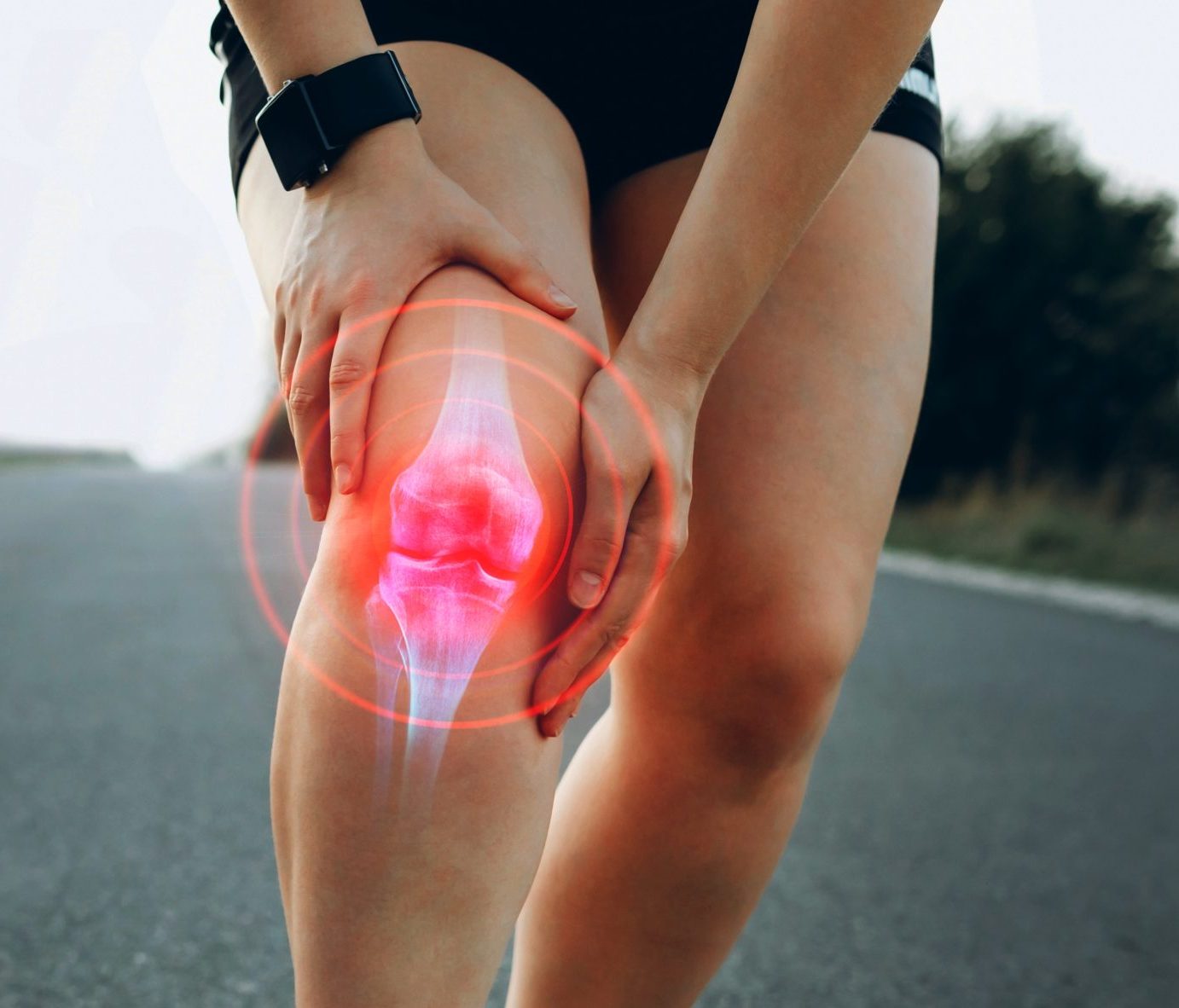
RUNNER'S KNEE

Pain around or behind the kneecap, often worse with stairs, hills, squats, or sitting for long periods.

Runner’s Knee is one of the most common running injuries, especially when training load increases faster than the knee is ready for.

AT A GLANCE

Pain Area

Knee

Medical Name

Patellofemoral Pain Syndrome

Can you Run?

Usually yes, modified

Typical Recovery

2-6 weeks

Common Onset

Gradual


Can I keep running?

You can often keep some running if the pain stays mild, doesn’t change the way you run, and settles back to normal by the next day. If stairs, sitting, or easy jogging are all getting progressively worse, you usually need to reduce your load.


Typical recovery timeline

Some runners don’t need to stop completely, but many need 2 to 6 weeks of reduced running, with a more complete rebuild often taking 6 to 12 weeks.


COMMON SYMPTOMS

  • Pain around or behind the kneecap
  • Front-of-knee ache during or after running
  • Pain with stairs
  • Pain with squats or lunges
  • Discomfort after sitting for long periods
  • Symptoms that build with training load
leg-2026-03-09-03-27-00-utc

WHAT’S ACTUALLY GOING ON?

Runner’s Knee is pain coming from the joint between the kneecap (patella) and the thigh bone (femur).

In runners, this is usually not a dramatic injury and not necessarily a sign that something is badly damaged. More often, it’s a load problem — the kneecap and surrounding tissues are being asked to handle more compression and repetition than they’re currently ready for.

This often shows up when training changes faster than your body can adapt.

CAN YOU STILL RUN WITH IT?

Usually yes — but often with modifications. Many runners can keep running if symptoms stay manageable and the knee isn’t getting progressively worse. Things that often need adjusting:

01.

Weekly mileage

02.

Speed work

03.

Hills

04.

Long Runs

05.

Running Frequency

COMMON QUESTIONS

Runner’s Knee often feels like:

  • Pain around or behind the kneecap
  • Pain that builds with stairs, hills, speed work, or downhill running
  • Discomfort after sitting for too long
  • A knee that feels irritated rather than unstable
  • Mild stiffness, but usually not major swelling


A big clue is the pattern: It often starts as a manageable niggle… then slowly becomes the thing you can’t ignore.

Runner’s Knee usually doesn’t come out of nowhere. It tends to show up when load quietly outruns capacity.

Common reasons include:

  • A sudden jump in training volume
  • More hills, speed sessions, or downhill running
  • Reduced quad or hip strength
  • Returning too quickly after a break
  • Running mechanics that increase stress on the knee, like overstriding or low cadence in some runners


Most of the time, this is a “too much, too soon” problem — not a “you’re broken” problem.

It’s worth getting assessed if:
  • Symptoms last longer than 2 to 3 weeks
  • The knee starts to swell
  • You struggle to go down stairs
  • Running is becoming more painful instead of better
 
Get help sooner if you have:
  • Locking
  • Instability / giving way
  • Significant swelling
  • A major twist injury
  • Trouble fully straightening the knee
  • Sharp pain focused on one spot rather than general kneecap pain

HOW TO TREAT RUNNER'S KNEE

Have a look at Liesel's rehab plan to help improve your injury.

noT SURE IF IT'S RUNNER'S KNEE?

Get a clear plan and find out what’s really causing your pain — so you can stop guessing and start moving forward.

Where are you feeling pain?