
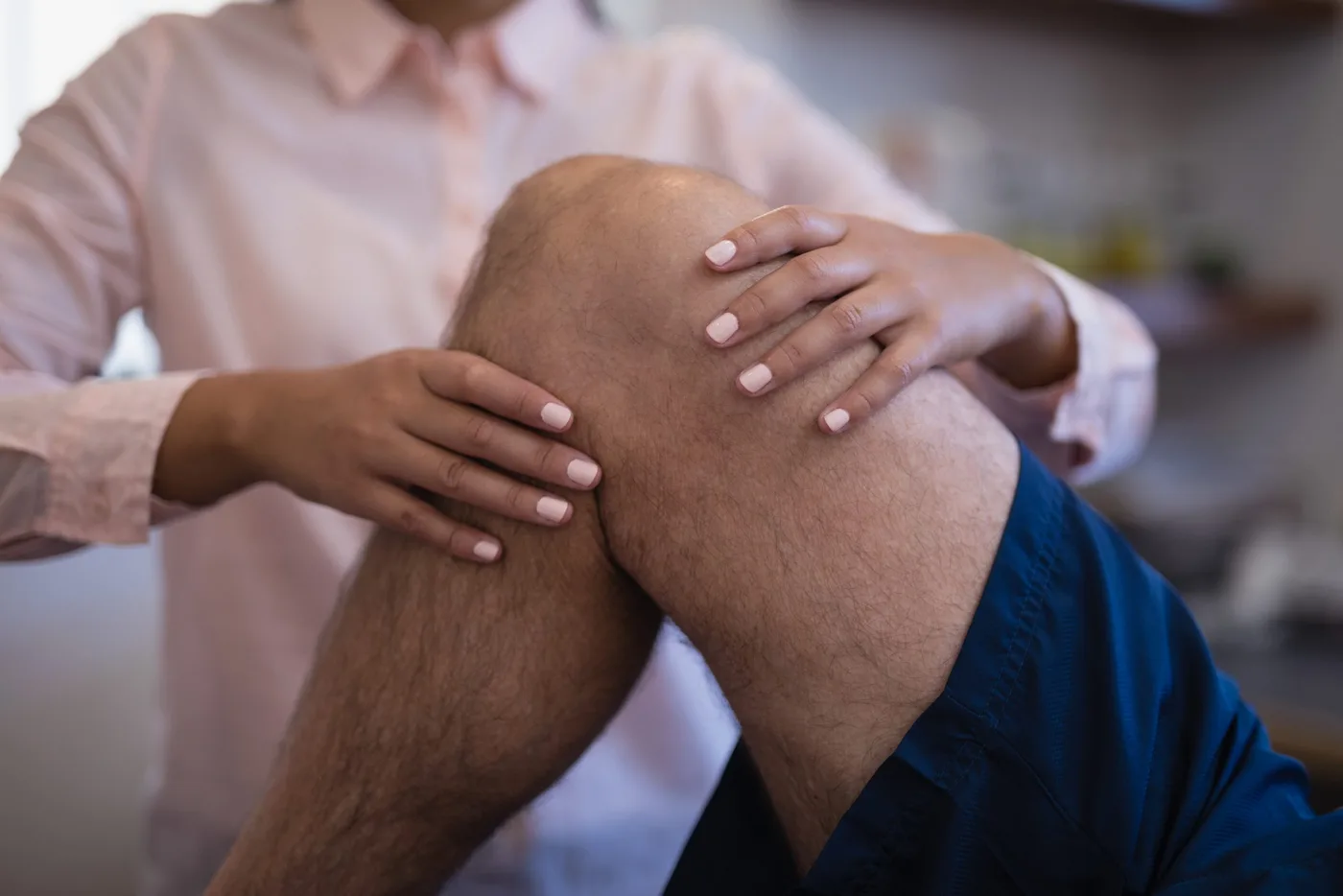
Jumper’s Knee
Pain just below the kneecap that often flares with running, hills, sprinting, or explosive movements.
Pain just below the kneecap
Patellar Tendinopathy
Sometimes, if pain stays low and the tendon is not worse the next morning
Usually 6 to 12 weeks for meaningful tendon rehab, with full tendon recovery often taking longer
Often linked to an increase in hills, speed work, jumping, plyometrics, or gym loading
Can I Keep Running?
Easy running is sometimes acceptable if tendon pain remains low and the tendon is not worse the next morning. Faster running, hills, and plyometric work usually need a longer runway and often need to be reduced first.
Typical Recovery Timeline
Mild cases may continue modified running, but tendon rehab commonly takes 6 to 12 weeks before confidence returns. In many cases, it can take several months before the tendon feels fully robust again.
What's Actually Going On?
Patellar Tendinopathy is an overload injury of the tendon below the kneecap.
It’s often associated with jumping sports, but runners get it too, especially when speed work, hills, plyometrics, and gym loading all rise together.
Rather than being a sudden dramatic injury, this is usually a case of the tendon being asked to handle more force and more repeated loading than it is currently prepared for.
Common Symptoms
Can You Still Run With It?
Sometimes, yes, but usually only if the pain stays low, remains predictable, and the tendon is not worse the next morning. Easy flat running is often more manageable, while hills, speed, jumping, or harder sessions tend to flare it more quickly.
If the pain is becoming more reactive day to day, or starts affecting stairs, squats, or walking, it usually means the tendon needs a clearer reduction in load.
Things That Often Need Adjusting:
Does This Sound Like You?
- You feel pain just below the kneecap
- The tendon feels sore after hills, speed work, or gym sessions
- Squats, lunges, or jumping make it worse
- It feels irritated with faster or more explosive effort, but not always with easy running
- The area feels tender to press on
Why Do Runners Get This?
This usually shows up when load quietly outruns tendon capacity.
Most of the time, this is not because the tendon is “damaged beyond repair”, it’s because it is overloaded and underprepared for the demands being placed on it.
Worth Getting Assessed If:
- •the pain keeps coming back
- •stairs or squats are becoming more painful
- •the tendon isn’t improving with reduced load
- •you’re struggling to return to normal running
Get Help Sooner If You Have:
- a sudden pop
- a traumatic onset
- significant swelling
- major loss of knee extension strength
- pain that feels deep in the joint rather than local to the tendon

A Note From Liesel
“If you are frustrated by patellar tendinopathy, that makes sense. Running injuries are rarely hard because they are mysterious; they are hard because they interrupt identity, routine and confidence. I want you to remember that steady, boring progress still counts. Every calmer morning, every clean rep, and every sensible comeback run is a step back toward your running life.”
Stop Guessing. Start Moving Forward.
Get a clear clinical diagnosis and a personalised return-to-running plan with Liesel (In-person in Pretoria East or Online via Google Meet).
Book a Consultation